Mummy 400
26 photographs · 1 article
Most photographed in North Wales
- ISOThe film’s rated sensitivity to light. A higher number like 400 copes better with low light and overcast days; a lower number is finer-grained but wants brighter conditions.
- 400
- ProcessThe lab chemistry the film is developed in. C-41 is standard color negative, E-6 is color slide, B&W is black-and-white, and ECN-2 is motion-picture film — it decides which labs can process the roll.
- B&W
- Available inThe formats the manufacturer sells this stock in — 35mm, medium-format 120, or large-format sheets — which tells you what cameras can shoot it.
- 35mm, 120
- Exposure latitudeHow much room you have to miss the “correct” exposure and still get a usable frame. A wide latitude tolerates over- or under-exposure by a stop or more; color negative films are especially forgiving of overexposure.
- Moderate0 to +2 stops (try it at ISO 200)
- AvailabilityWhether the film is still in production. Stocks get discontinued surprisingly often — and once a beloved film is gone, the remaining rolls can turn scarce and pricey, making it a sought-after collector’s item.
- In production



Character
Overview
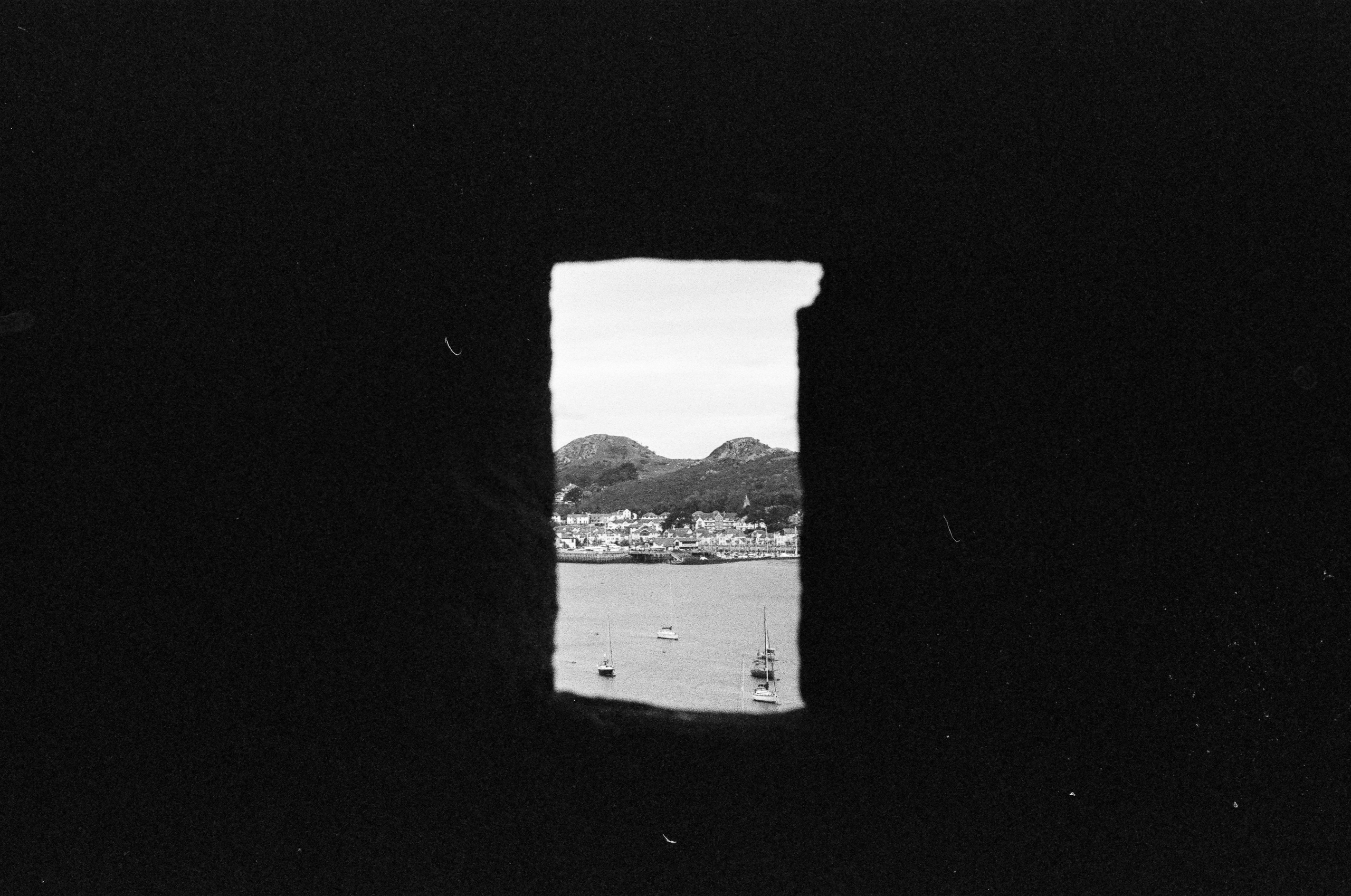
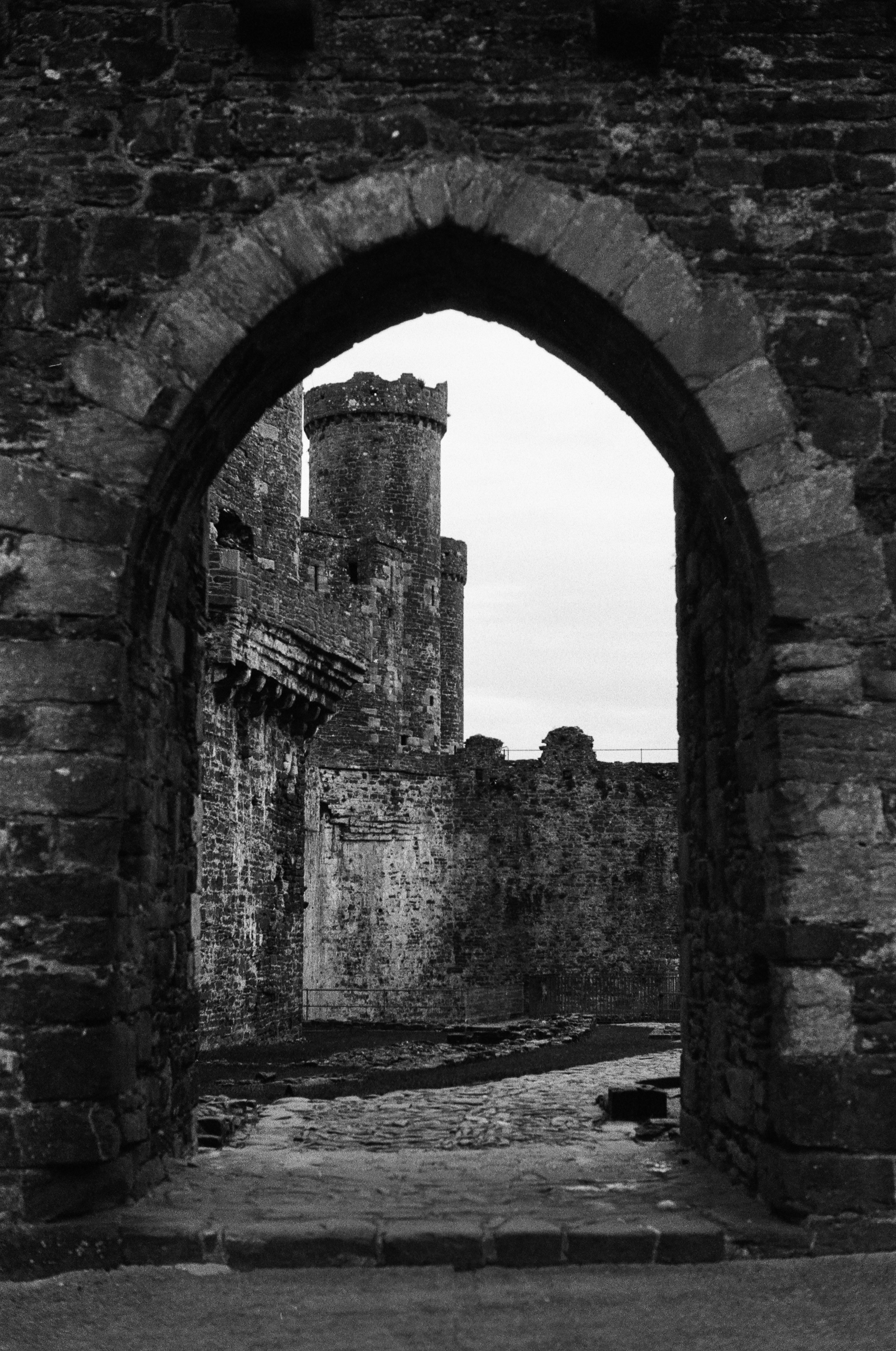
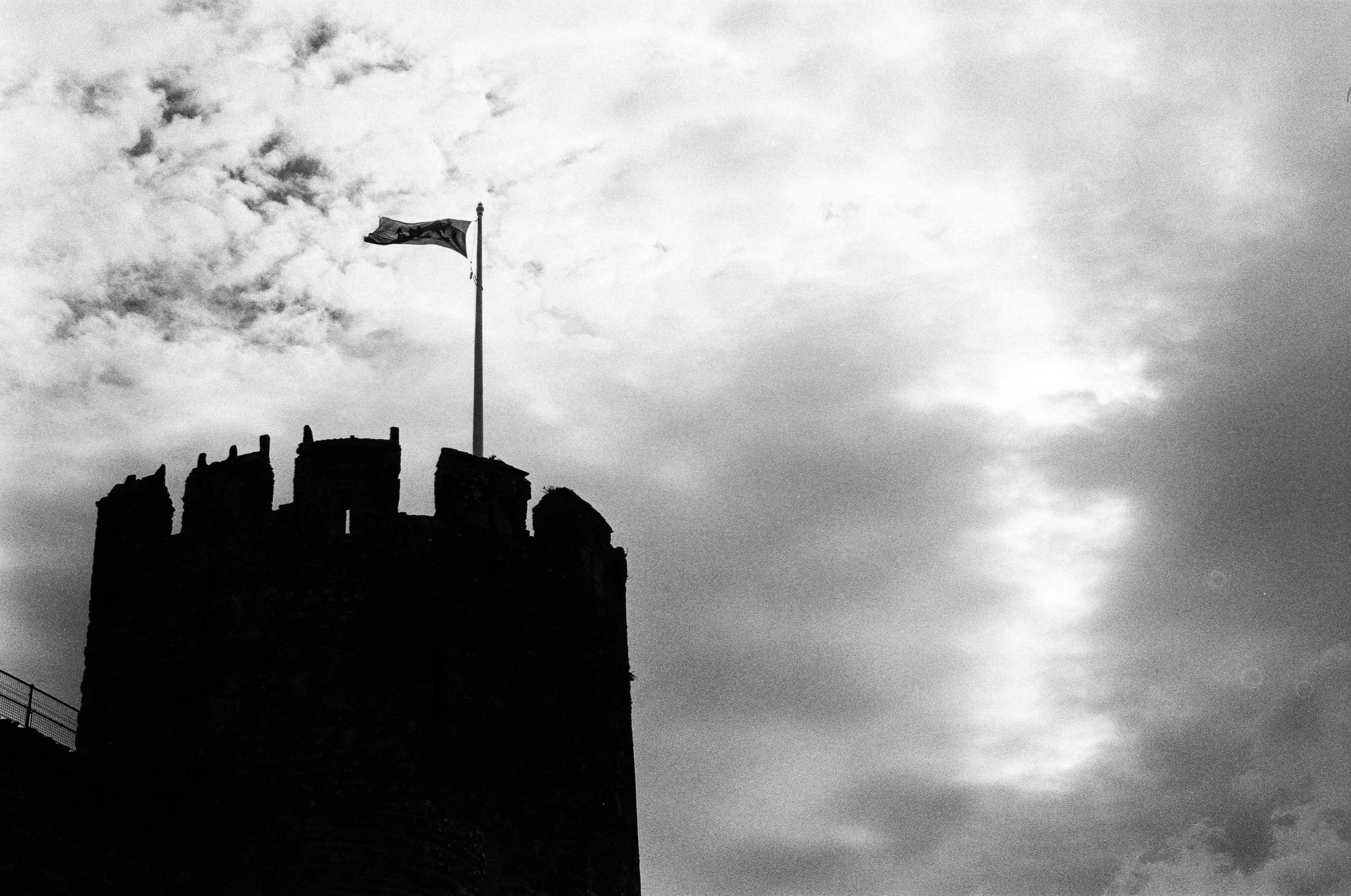
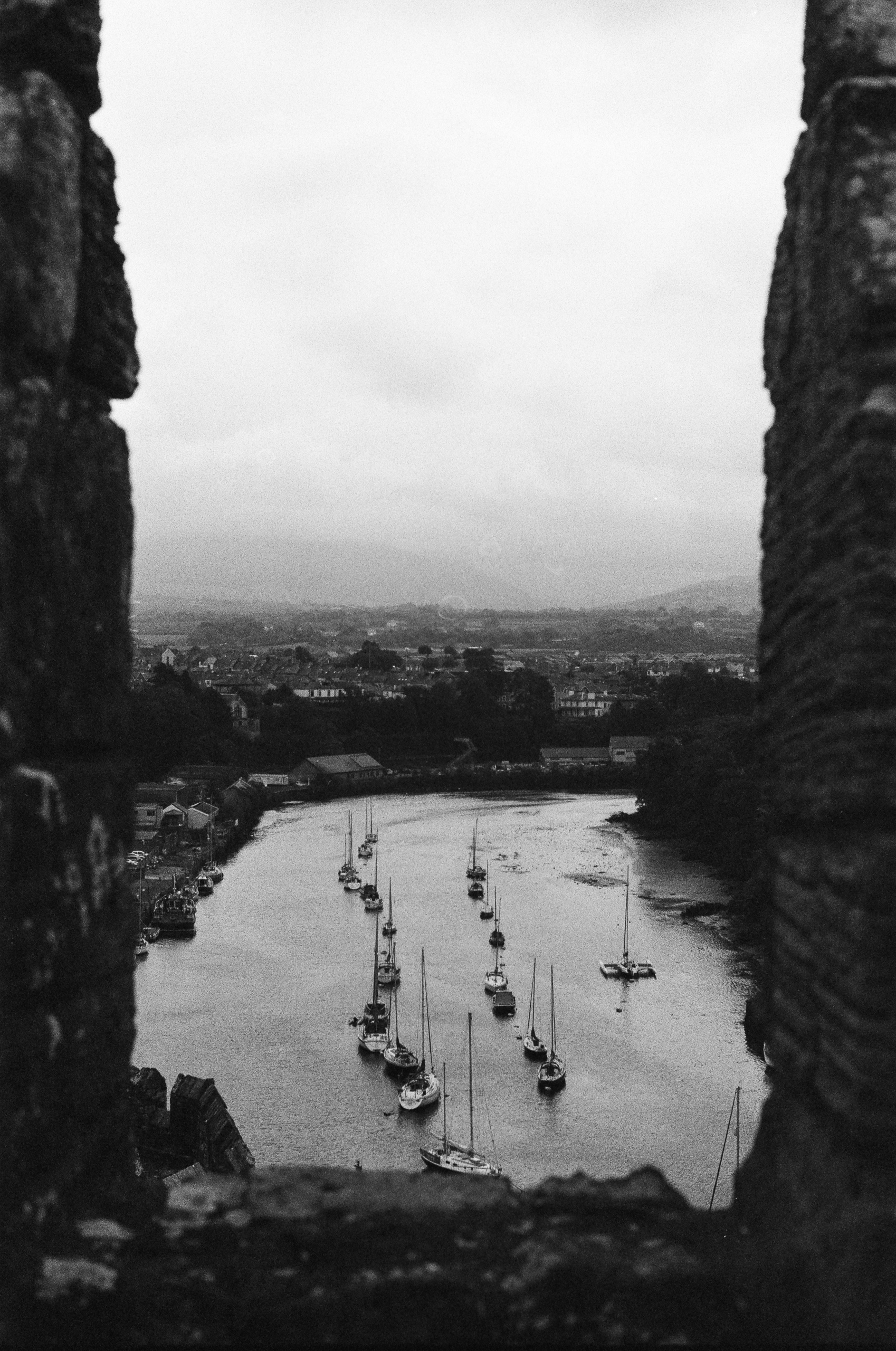
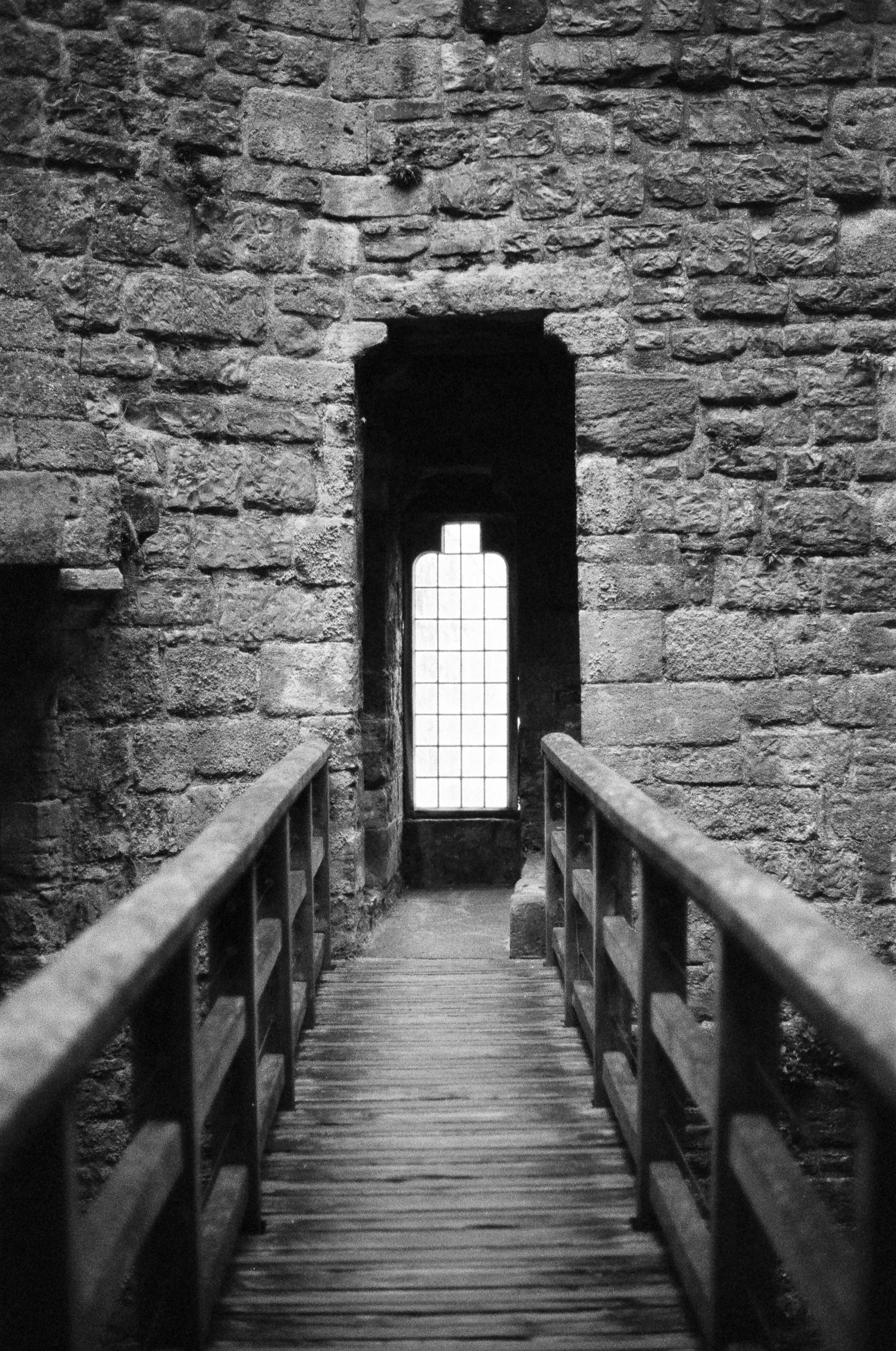
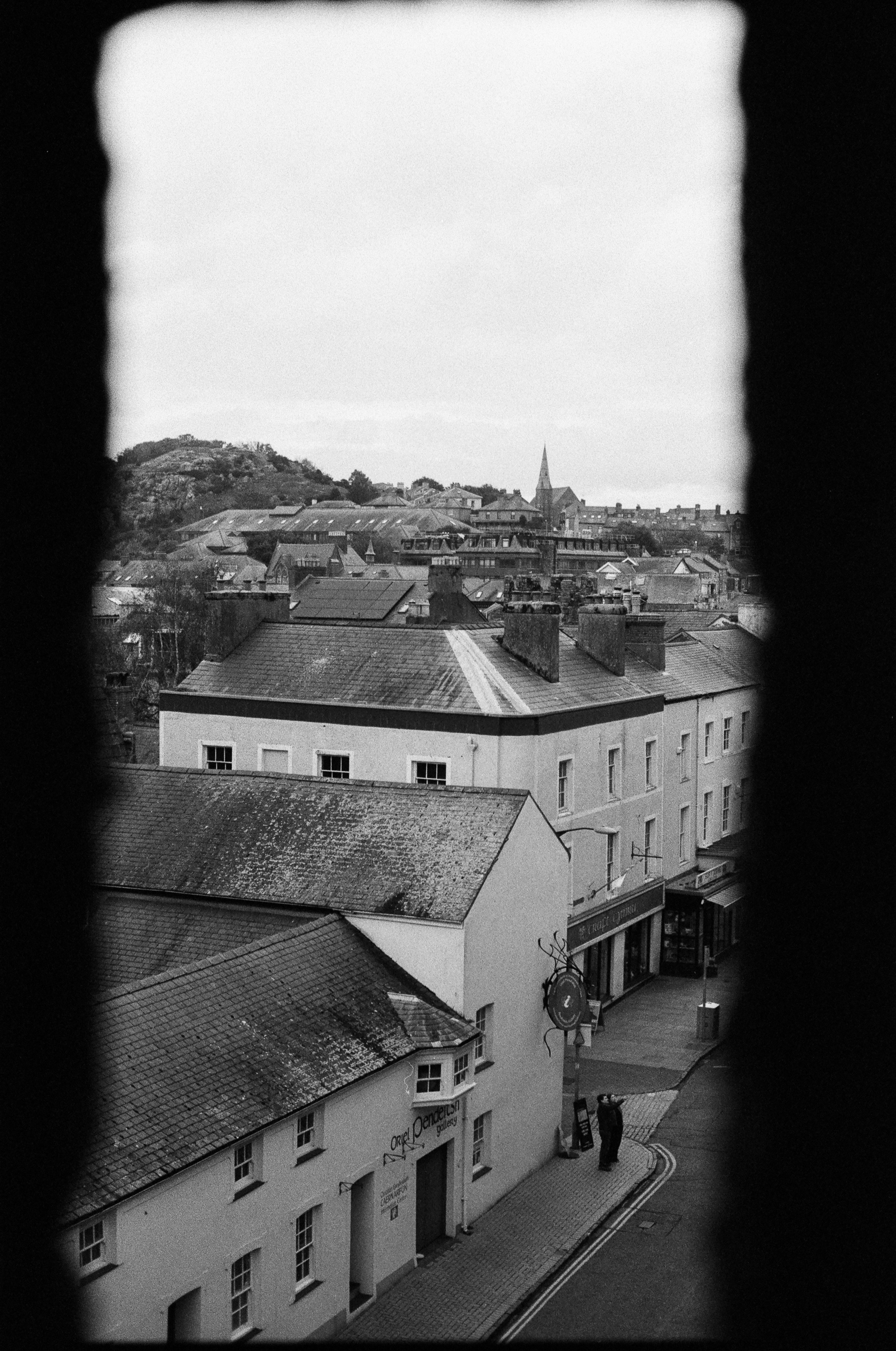
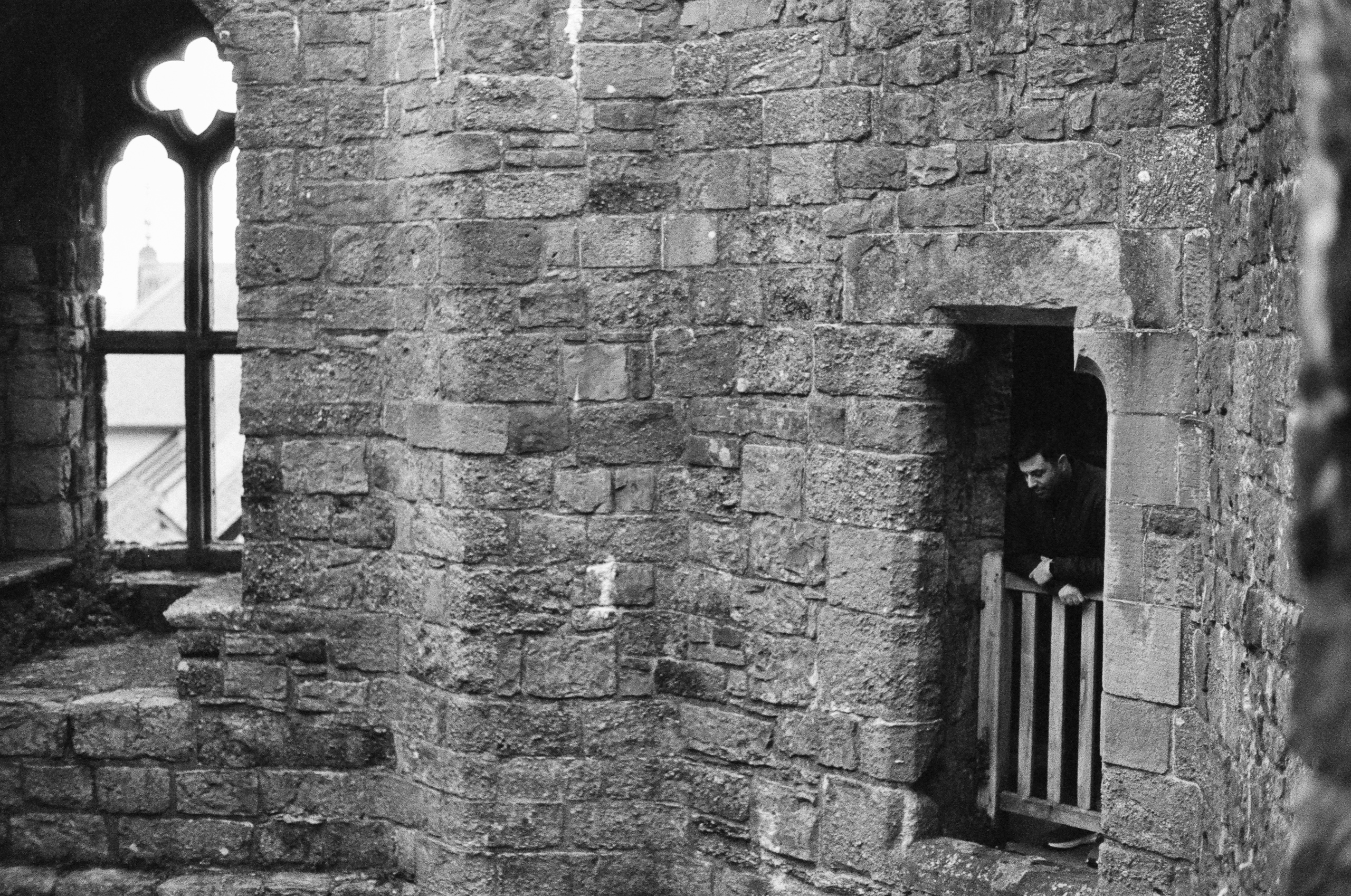
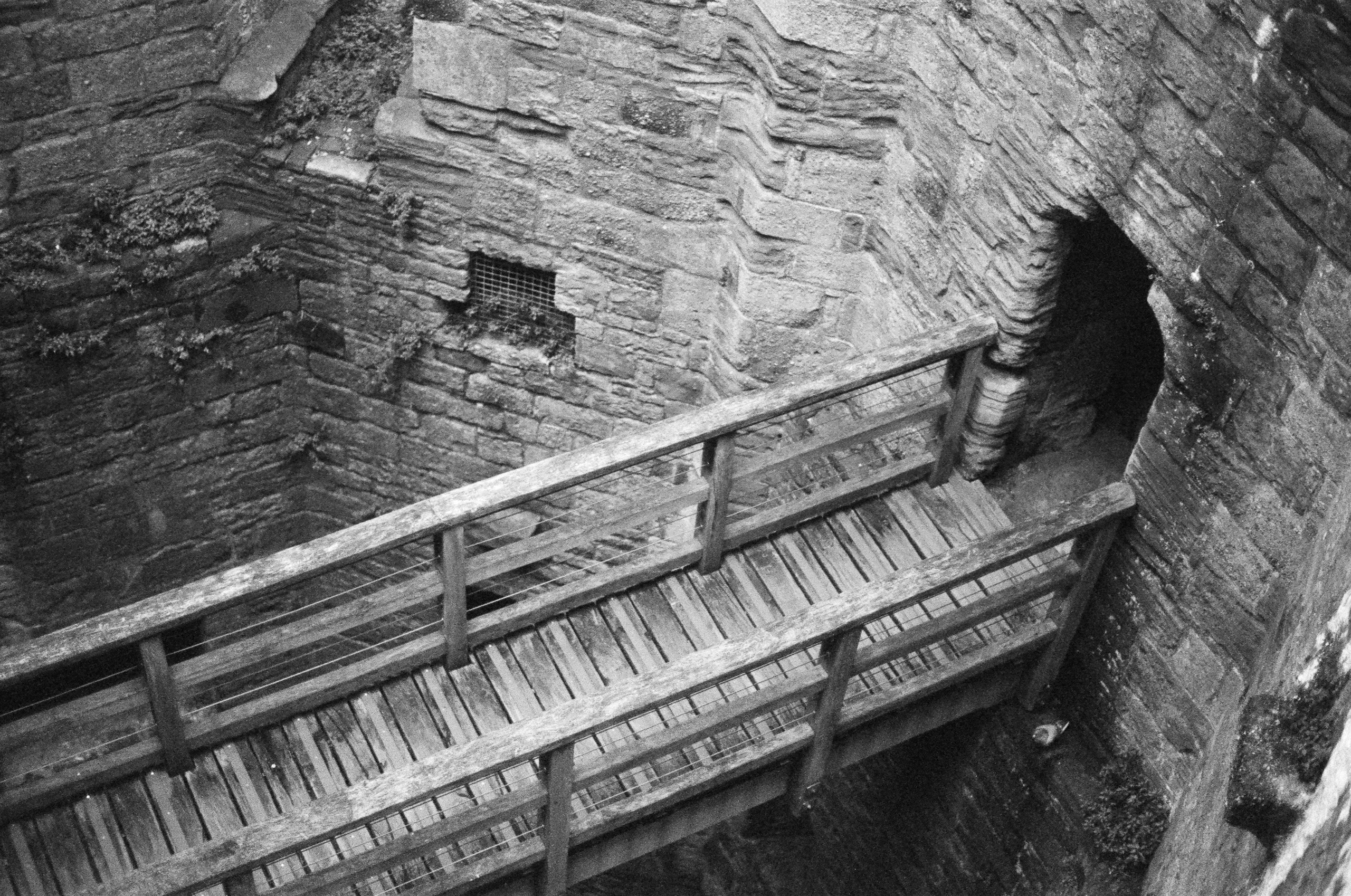
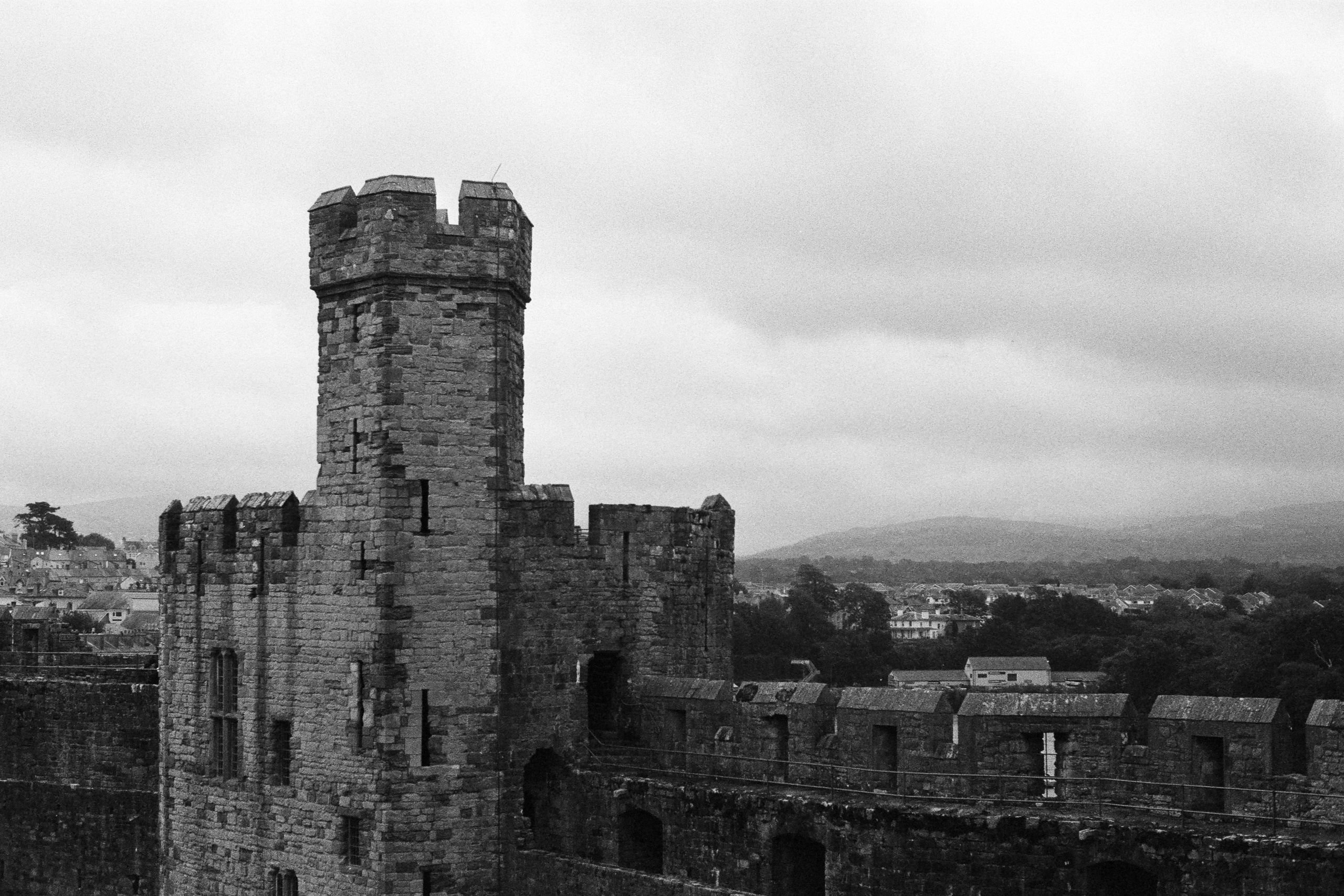
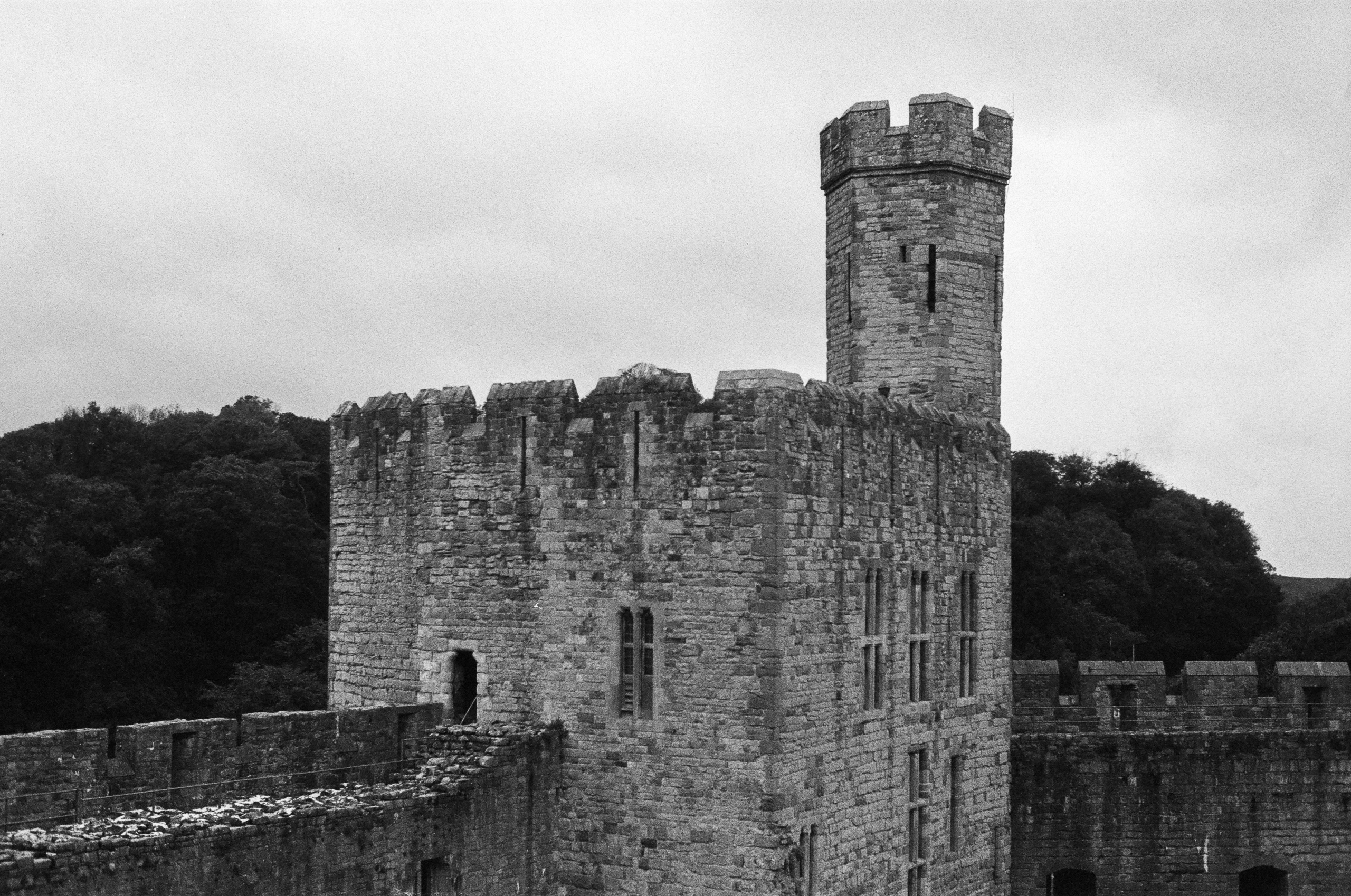
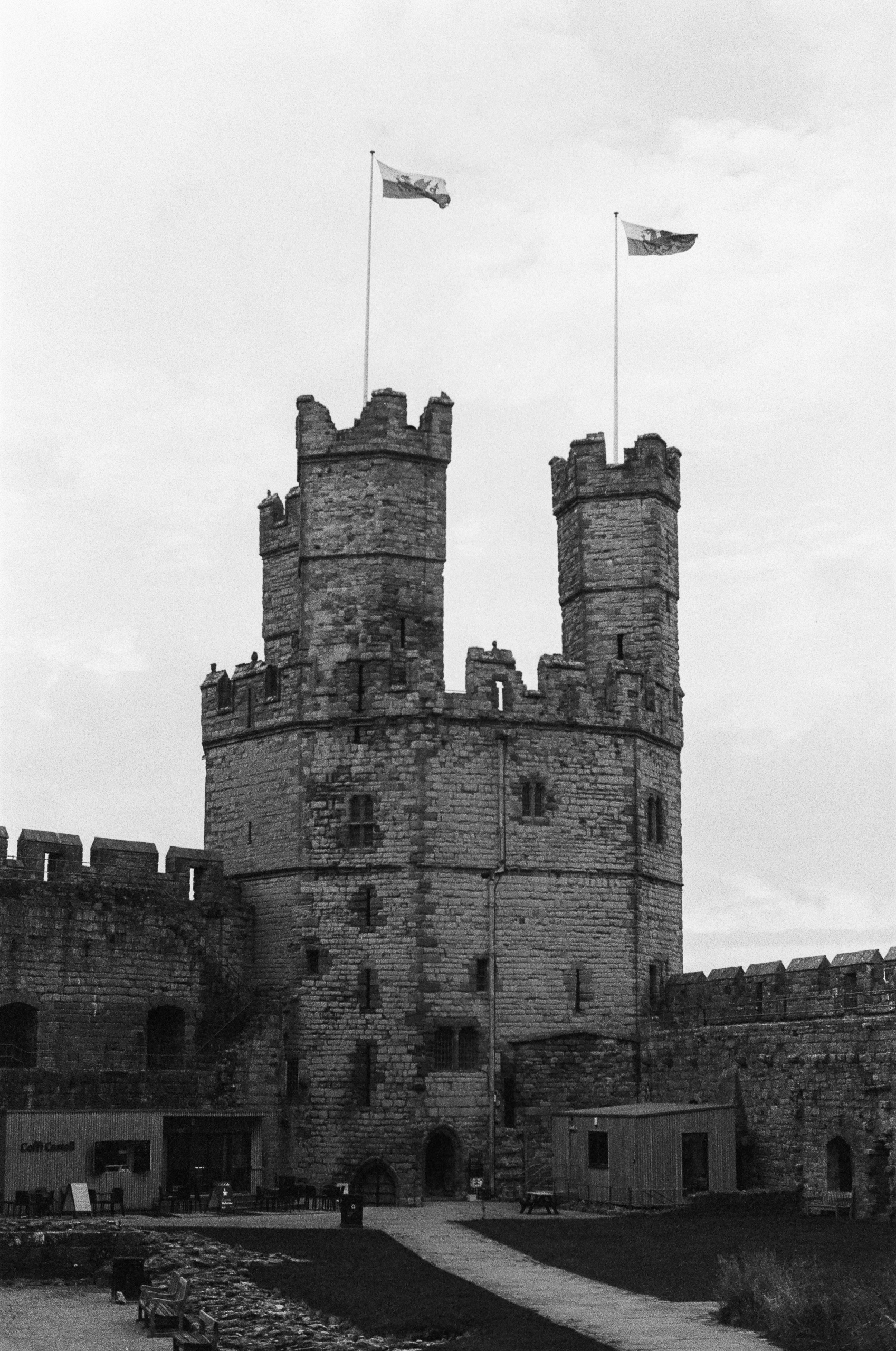
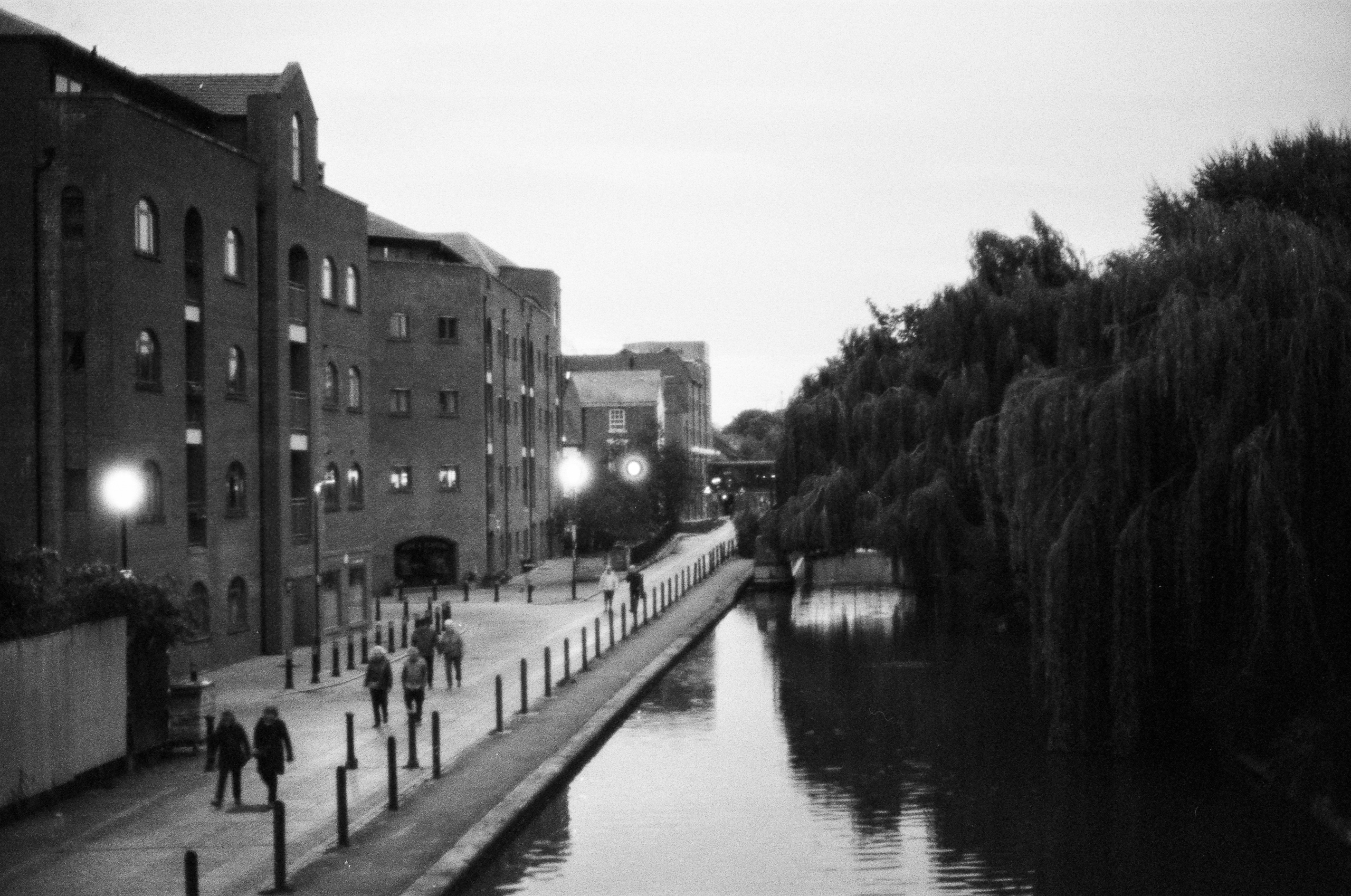
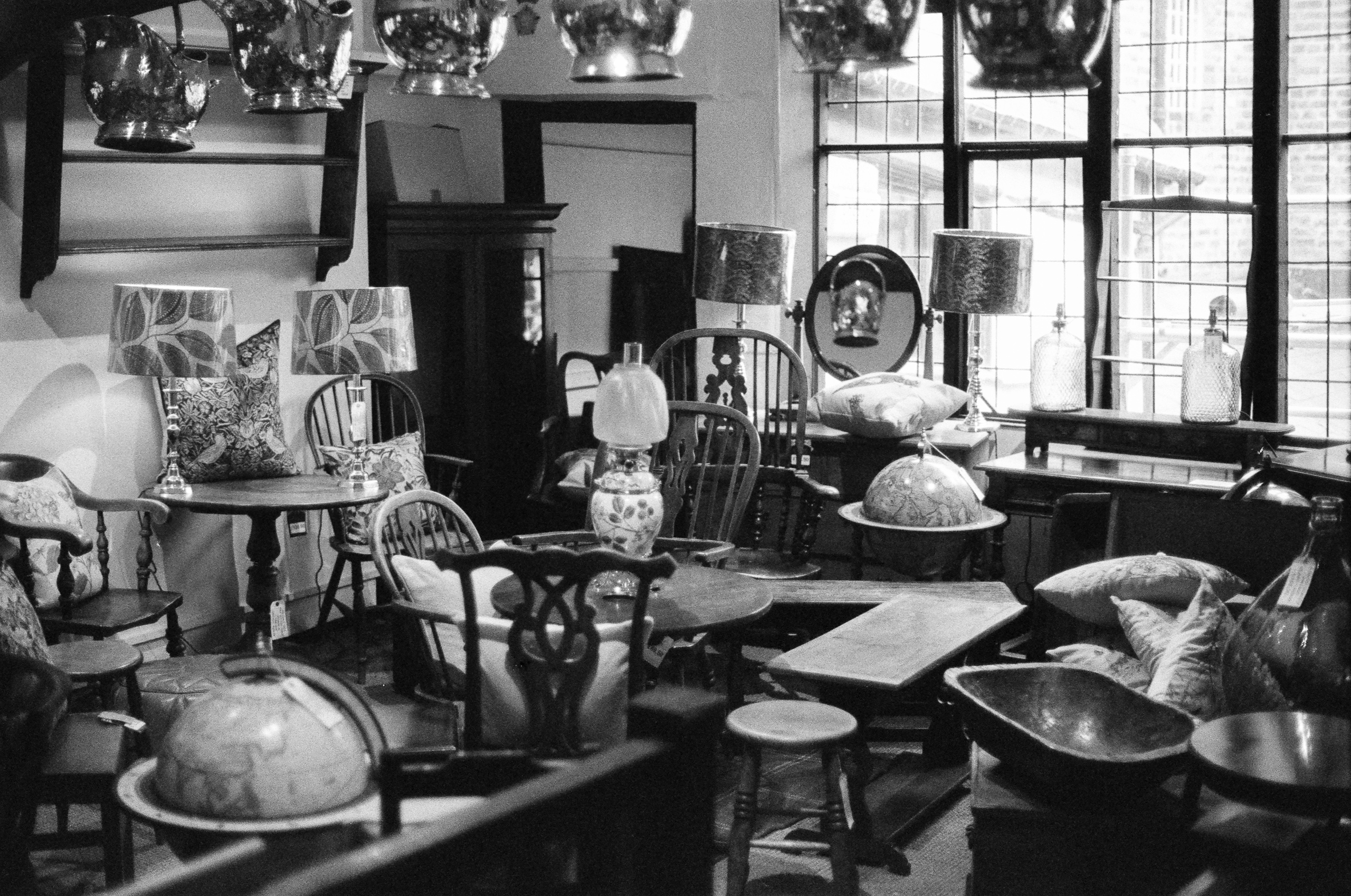
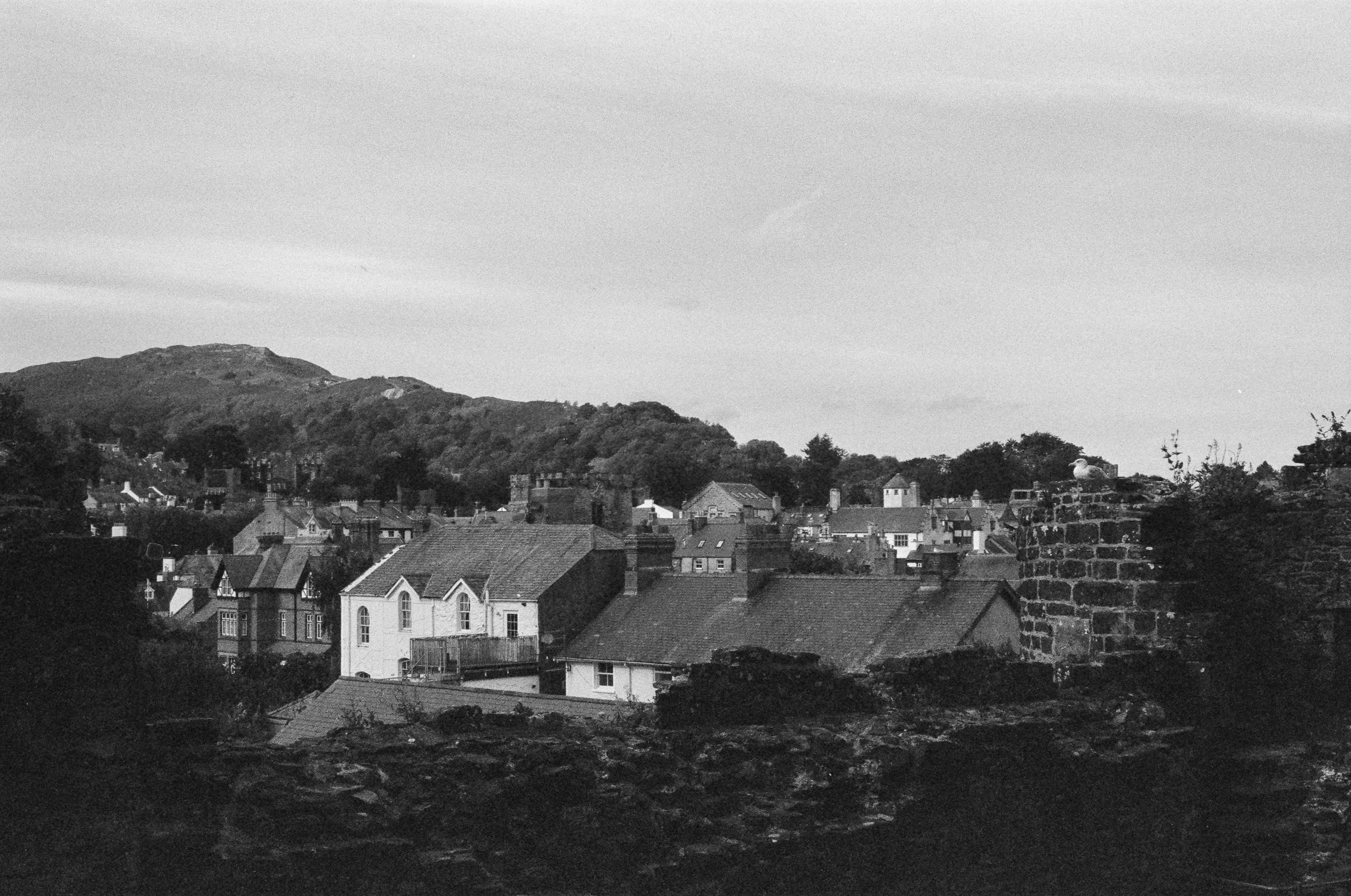
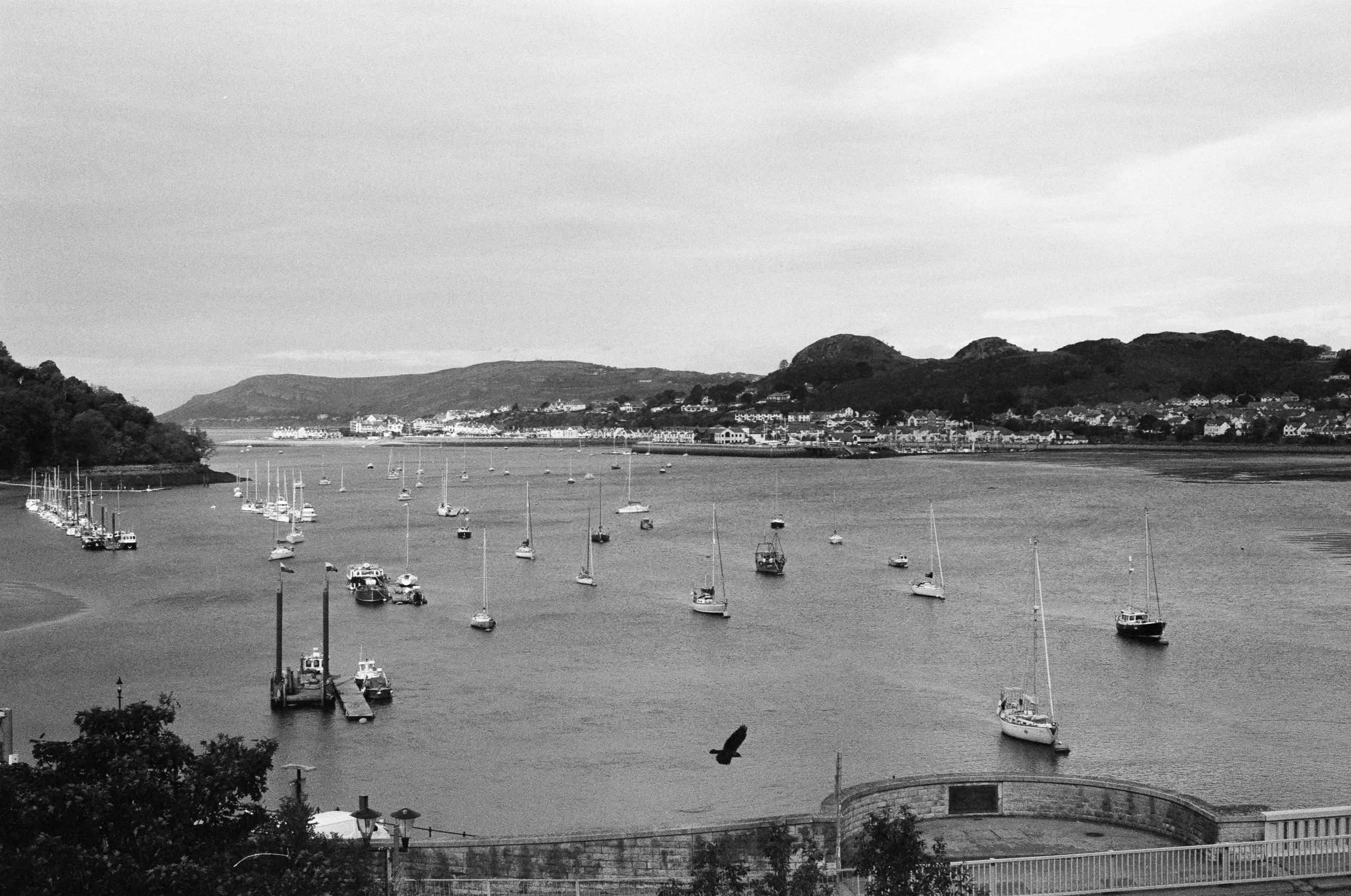
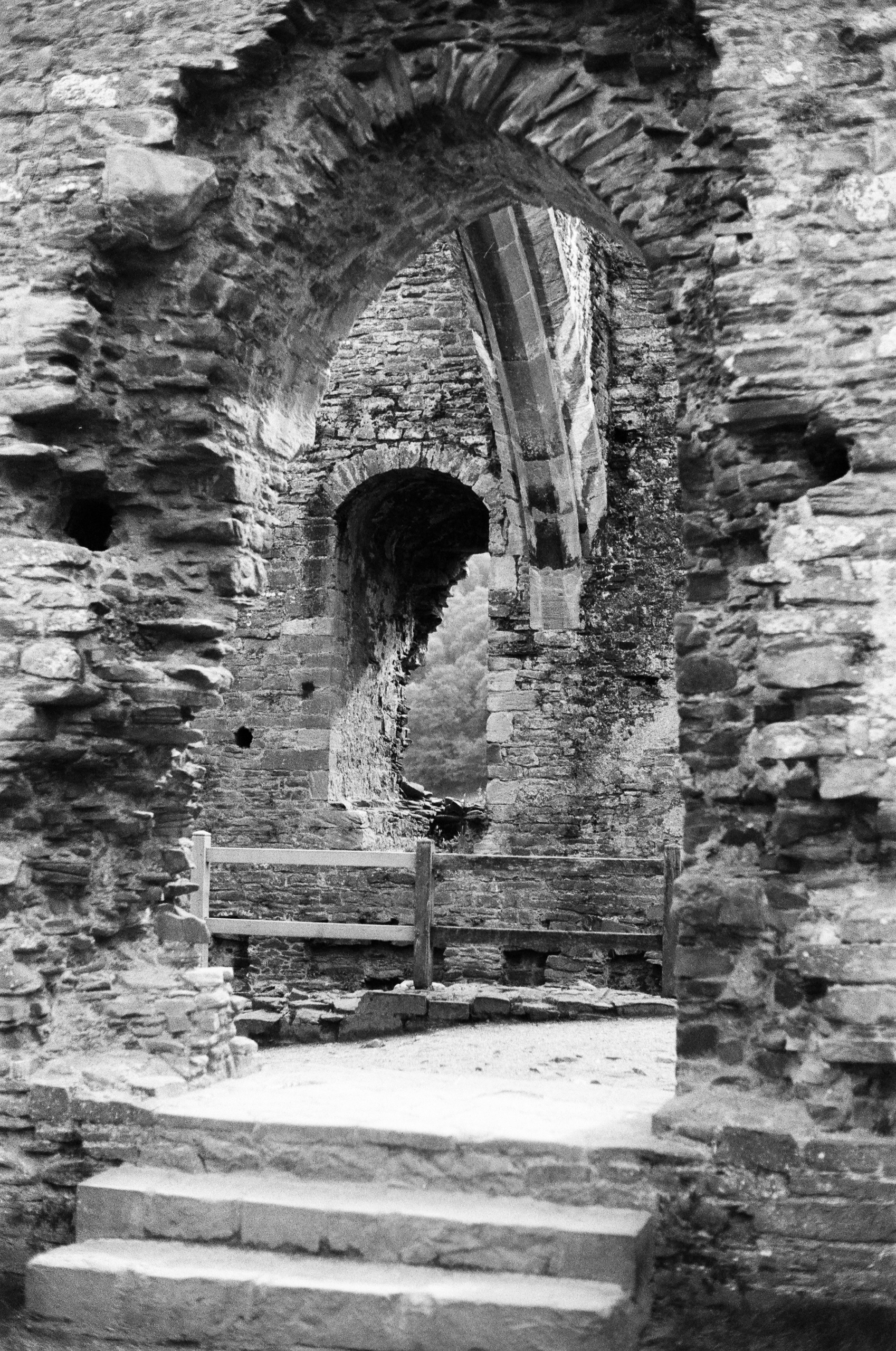
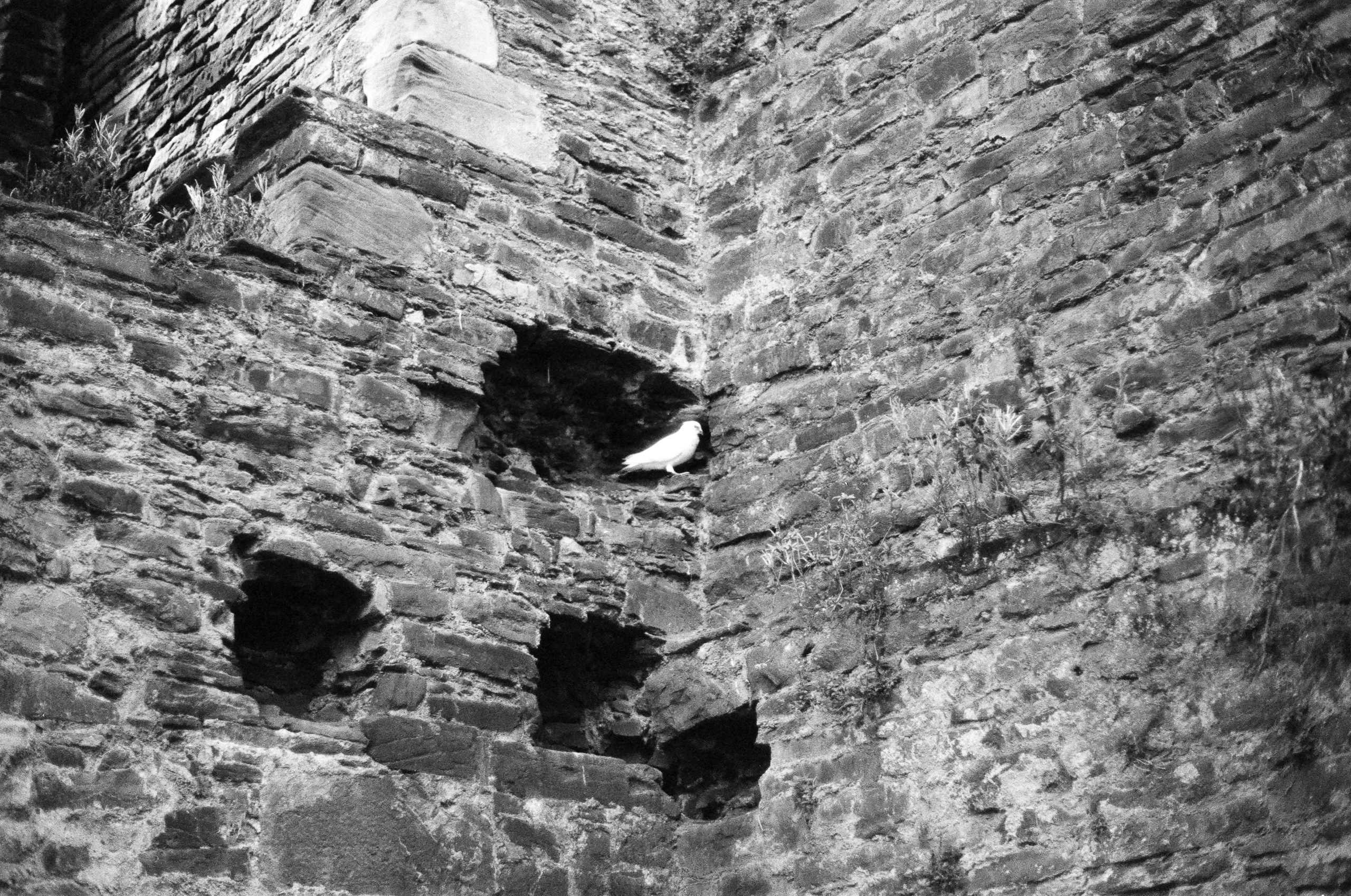
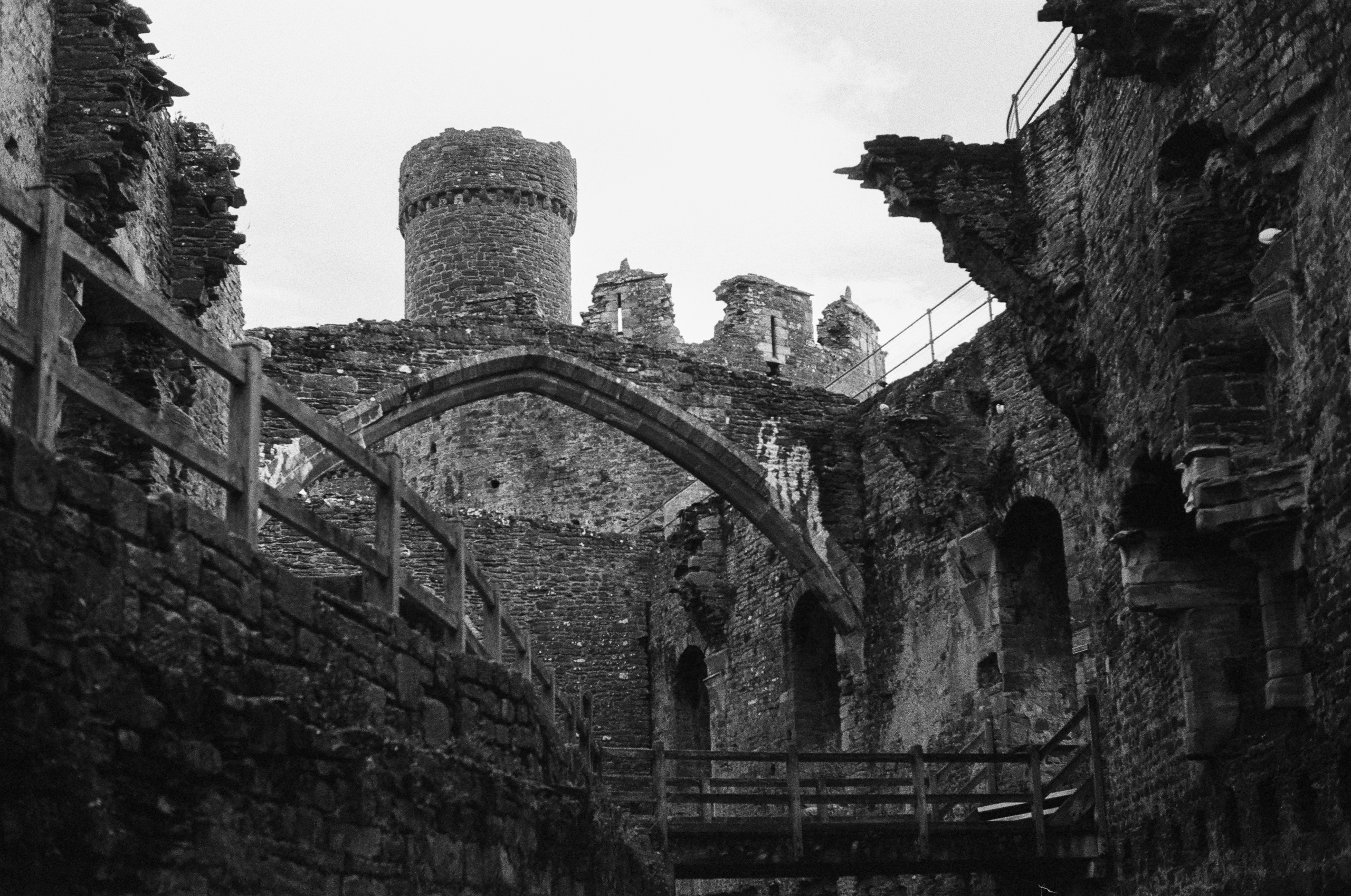
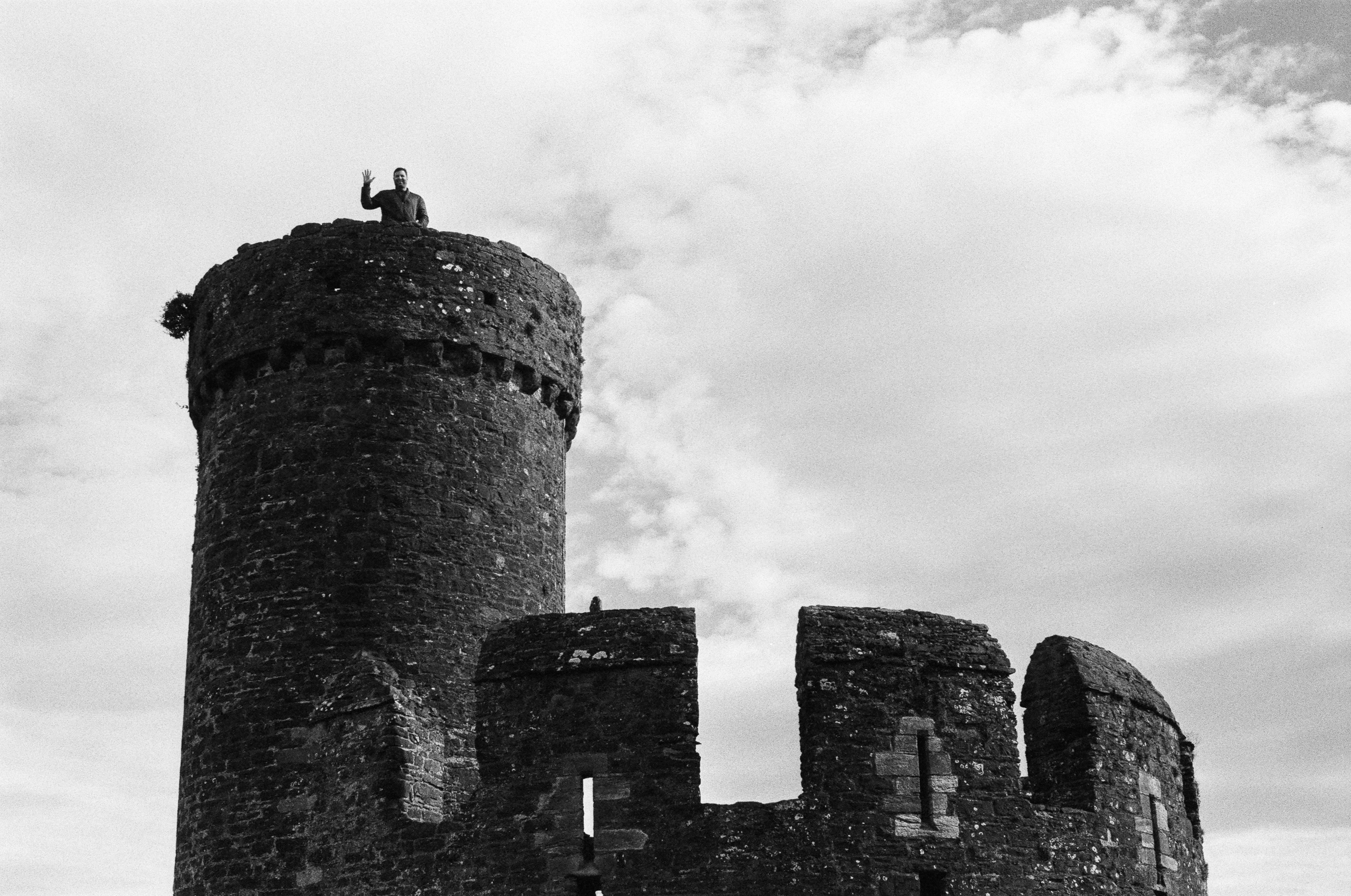
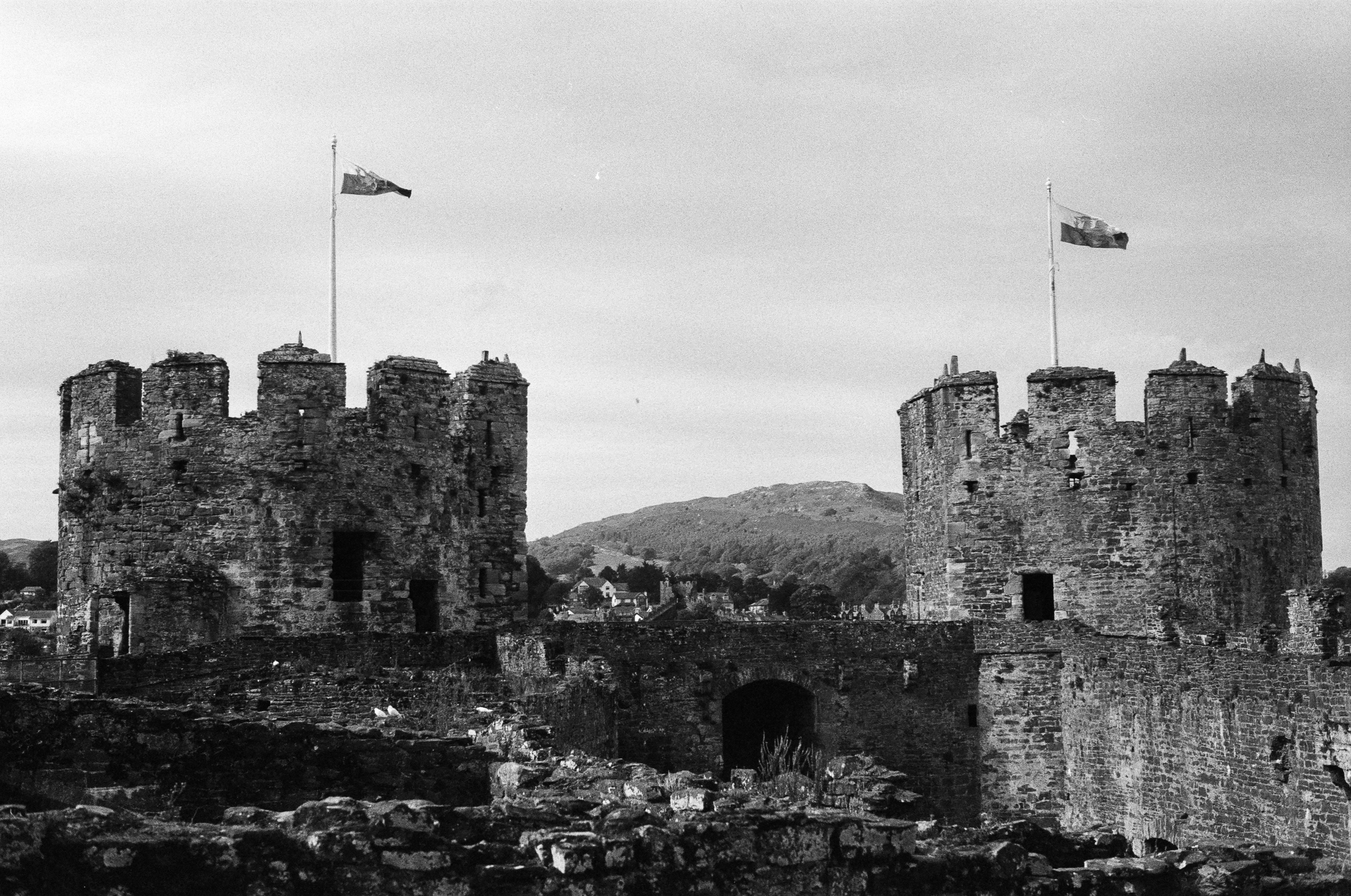
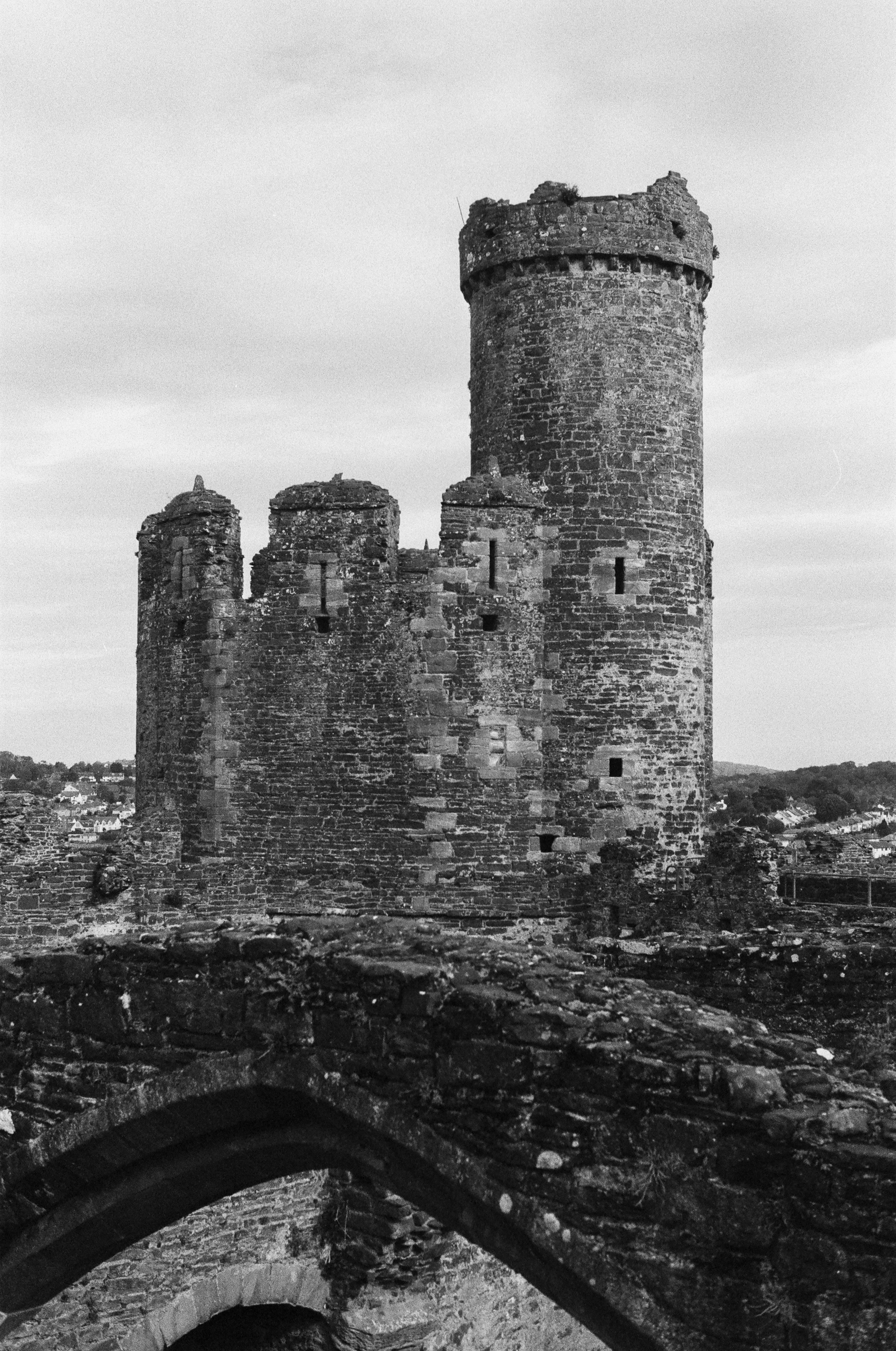
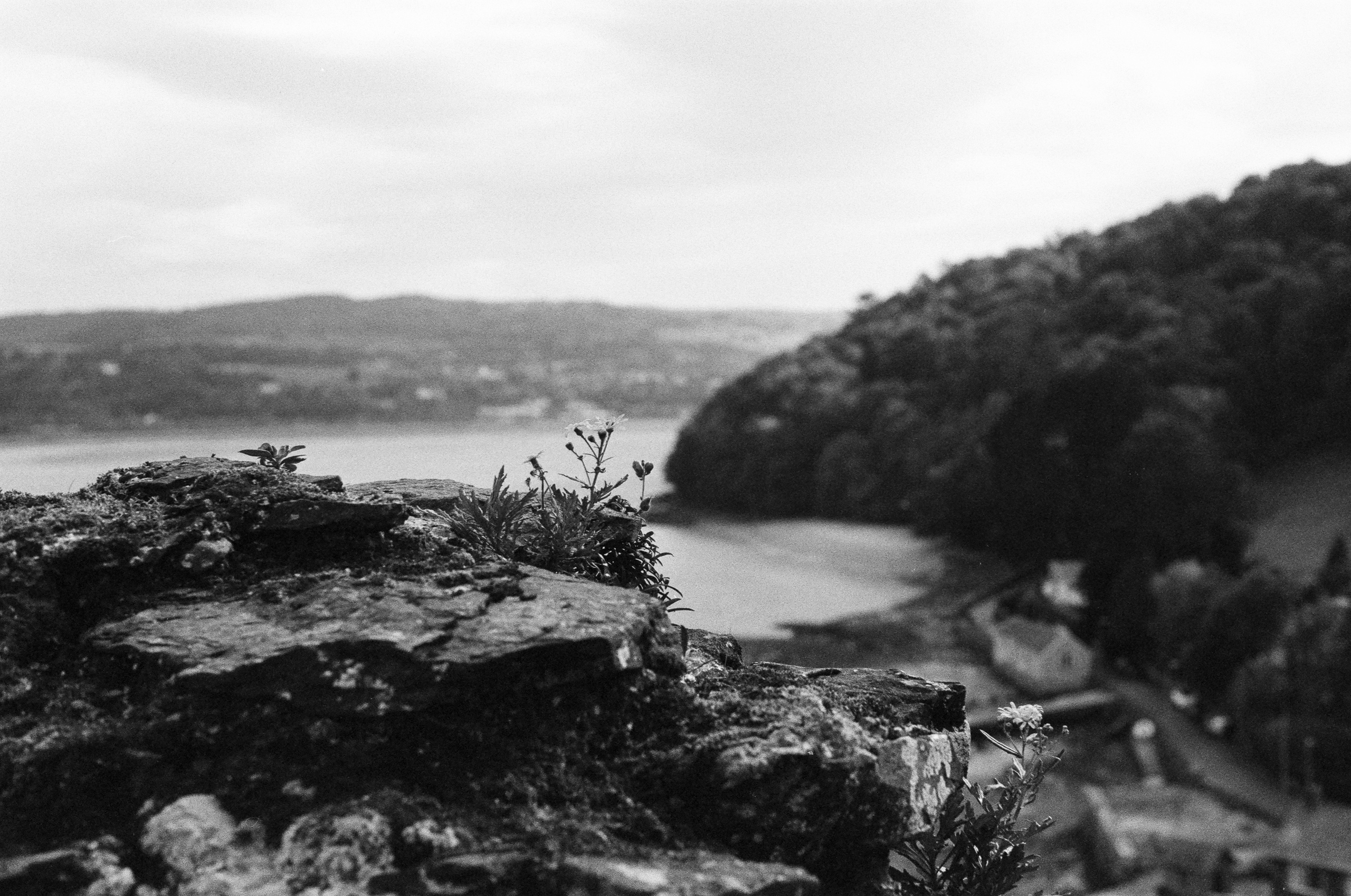
Mummy 400 is a 35mm black-and-white film from the Film Photography Project, and the fastest of their playfully named "monster" stocks. The name promises horror, but the look is gentler than that: medium grain, medium contrast, and a classic, balanced black-and-white image. The grain is visible without being heavy, and the contrast never turns harsh, so dramatic scenes come out soft, pensive, and quietly somber. It suits old stone, overcast streets, and places that carry a sense of weight.
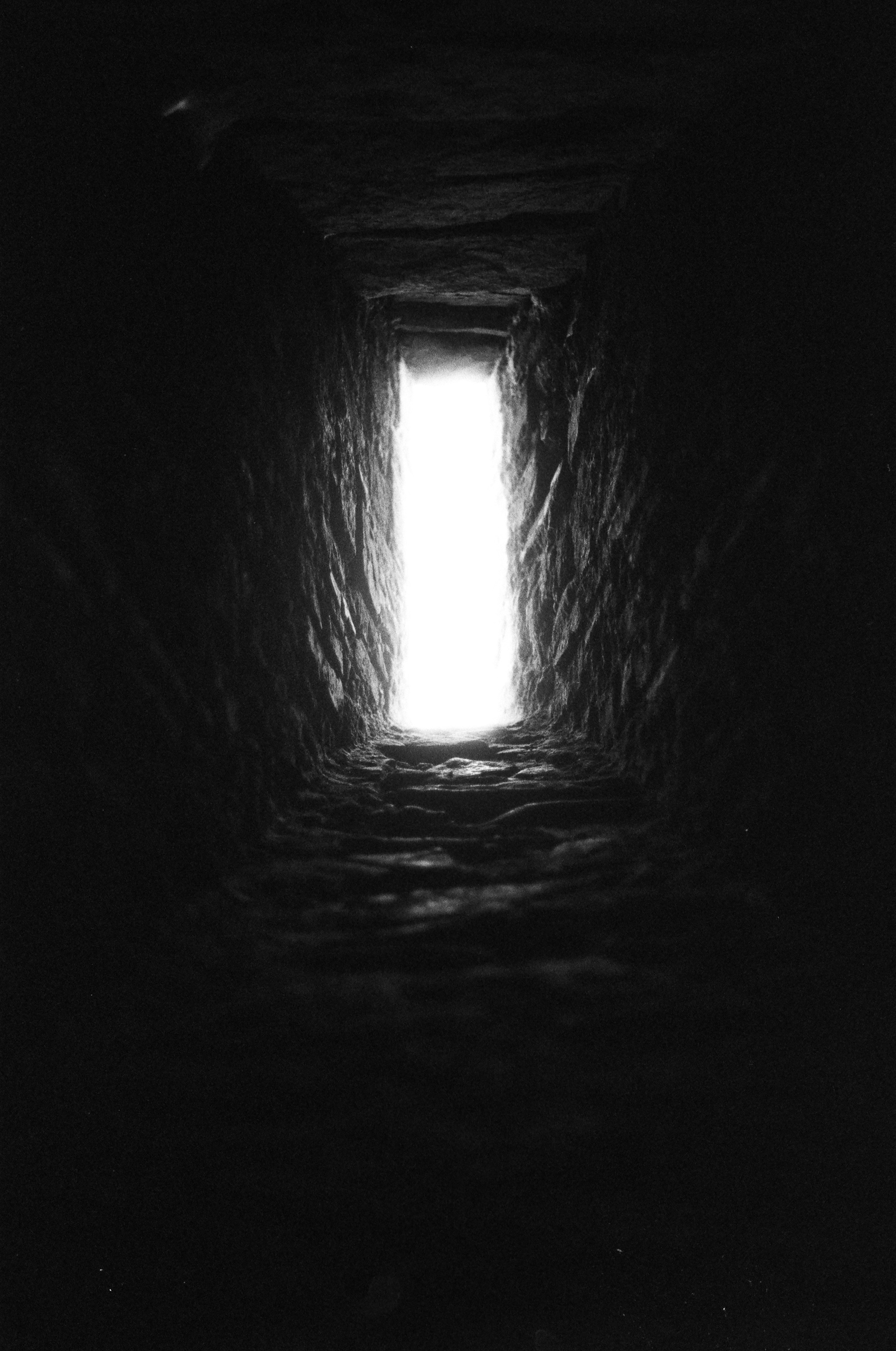
The one thing worth knowing is that Mummy 400 likes more light than its box speed suggests. FPP makes it from its own Cine16 400 film, which is widely believed to be Fomapan 400, and many shooters find that emulsion behaves more like an ISO 200 film, so overexposing by about a stop gives you better shadow detail. In my experience, when an exposure does come out dark, the medium contrast is forgiving and turns the frame moody rather than muddy. There's room to shape the tones in post too, which makes it a flexible, approachable black-and-white film with real character.